Devrecar
Close
DevrecarLogo
     MENU

Traces of History Ephesus
Traces of History Ephesus
Ephesus, one of the most magnificent port cities of the ancient world, is today not just a pile of ruins, but a living time capsule where you can feel the splendor of the Roman Empire to your very core. This colossal city, a UNESCO World Heritage site, invites millions of travelers back thousands of years every year.


Ephesus Steeped in History


From its founding legends to its commercial genius, Ephesus has always managed to be the "jewel of the world." As of 2026, with nighttime illuminations and digital restoration projects, Ephesus presents the brilliance of antiquity to its visitors even more clearly.

History:
The ancient city of Ephesus was known as an important port city in ancient times. It was founded by Ionian colonists in the 10th century BCE and went through the dominance of various civilizations such as the Lydians, Persians, Kingdom of Macedonia, and the Roman Empire. Reaching its peak during the Hellenistic and Roman periods, Ephesus became one of the largest cities in the ancient world.

Archaeological Ruins:
Ephesus is famous for its impressive archaeological remains. These include monumental structures from the ancient era, such as a grand theater, temples, agora (marketplace), streets, a library, and baths. Among the most important structures are:

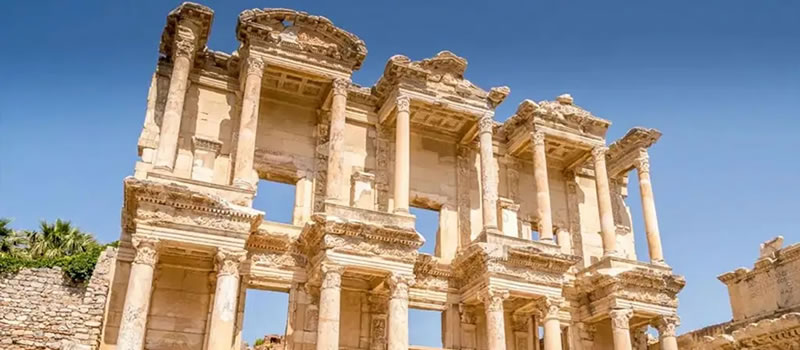
Celsus Library:
Built in 135 CE by Gaius Julius Celsus Polemaeanus, the son of Roman Emperor Tiberius, the library was one of the largest in the ancient world.

Ephesus Theater:
Constructed in the 1st century CE, the theater, with a seating capacity of 25,000, is one of the largest theaters in the ancient world. It still hosts concerts and events today.

Temple of Artemis:
Built in 550 BCE and considered one of the Seven Wonders of the Ancient World, the Temple of Artemis is a symbol of Ephesus.

House of the Virgin Mary:
Located near Ephesus, the House of the Virgin Mary is believed to be where Mary spent her final years and passed away, according to Christian tradition. While not mentioned in the Bible, it is an important pilgrimage site for Christians.

Selçuk Museum:
Some artifacts from the ancient city of Ephesus are displayed in the Selçuk Museum. The museum offers visitors the opportunity to explore the history of Ephesus more closely.

UNESCO World Heritage:
Ephesus was included in the UNESCO World Heritage List in 2015, highlighting its cultural and historical significance on a global scale.
The ancient city of Ephesus attracts visitors not only with its historical richness but also with its enchanting atmosphere. This magical city, carrying traces of the ancient era, serves as a unique discovery point for history enthusiasts and tourists alike.
Popular Contents

Close