Walking through ancient Pergamon and the lower town of Bergama
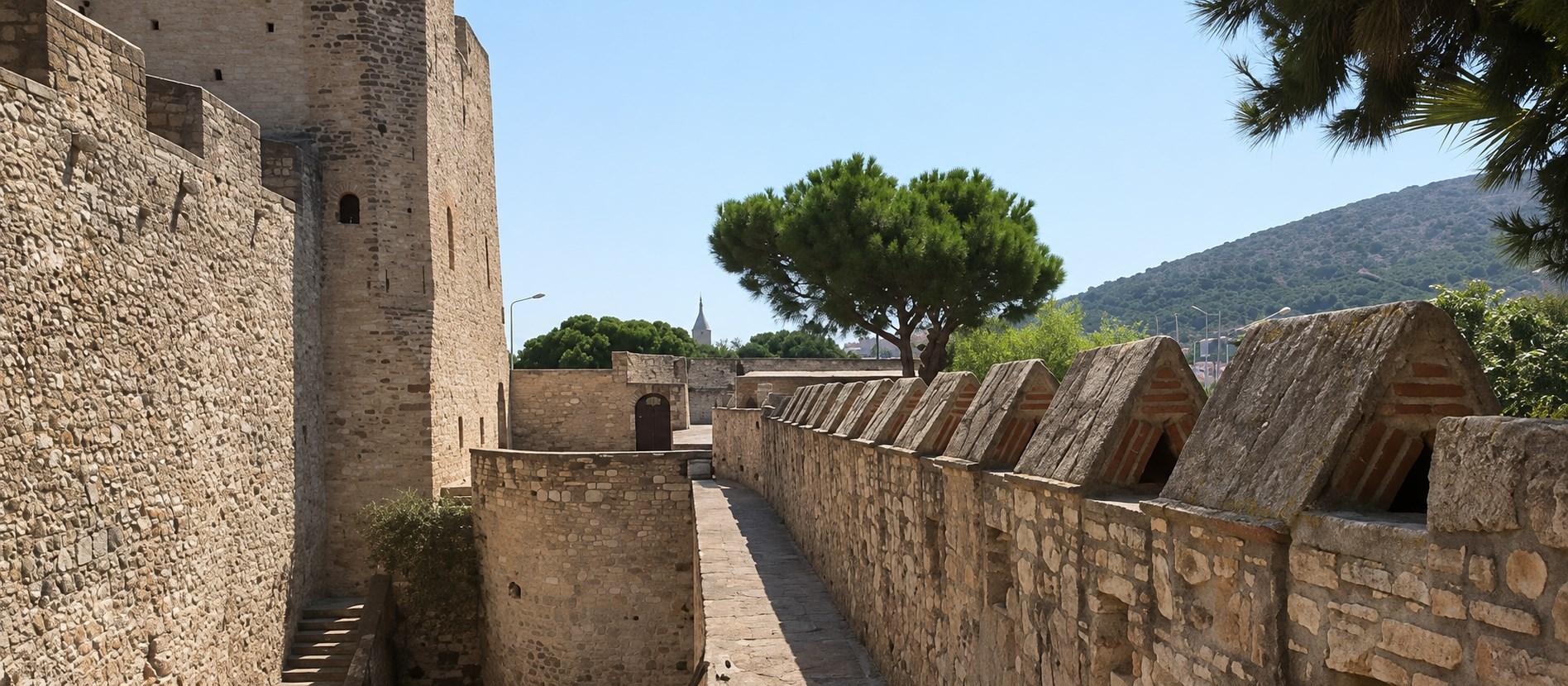
 The ancient hillside settlement and the streets of the lower town make two distinct stops in Bergama. Allow separately for the climb, the time spent in the open and a break once you are back in town.
North of İzmir, a proud city rises overlooking the Bakırçay Plain. Pergamon, a UNESCO World Heritage site, is not just an archaeological site made of stones; it is a center of civilization where parchment was invented, the foundations of medicine were laid, and art reached its peak.
Bergama, founded in the 3rd century BC as the capital of the Pergamon Kingdom, was one of the most important centers of science and culture in the ancient world. As of 2026, it offers its visitors a much more in-depth experience with modern restoration works and digital guide systems.
Acropolis: The Summit of Kings and Gods
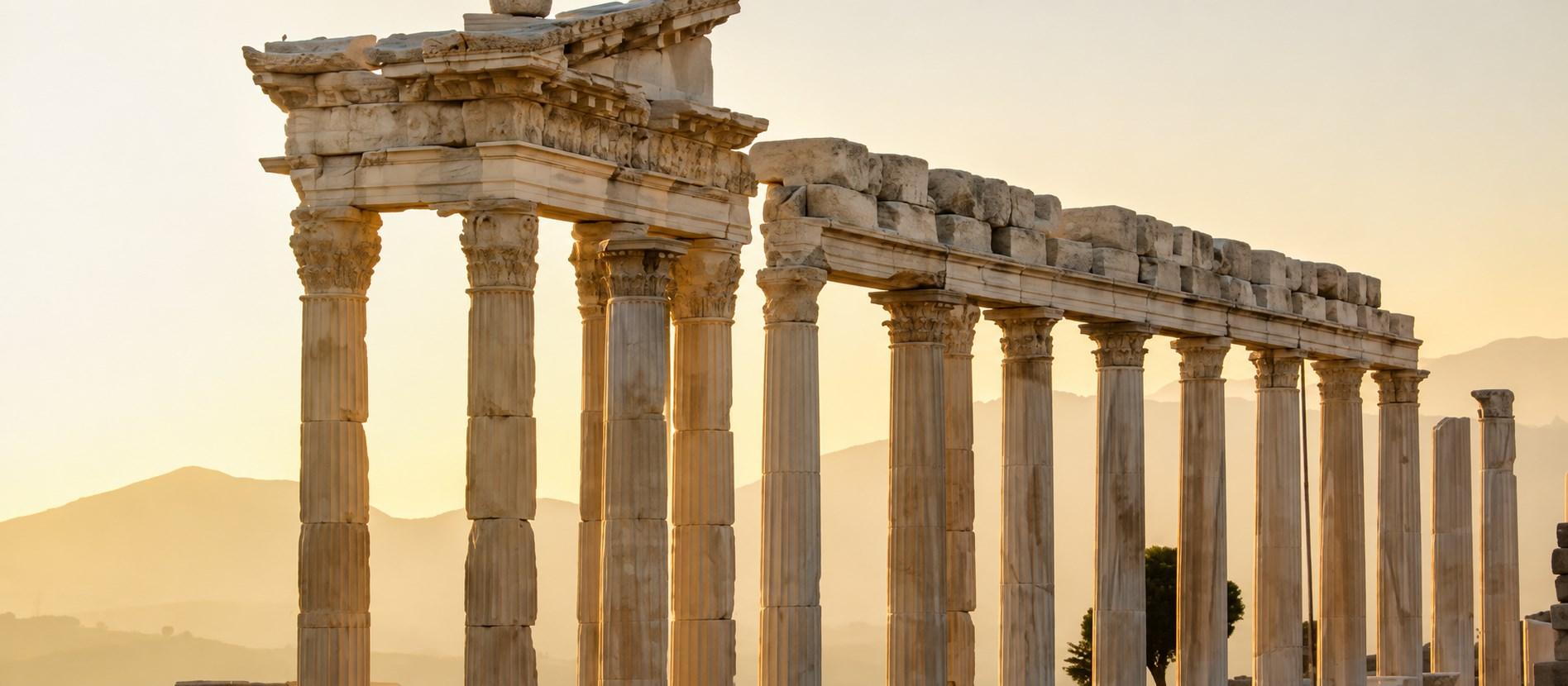
Located at the highest point of the city, the Acropolis is built on a steep hill. As you ascend by cable car, you are greeted by the intertwined view of modern Bergama and ancient ruins stretching out below.
The World's Steepest Theatre:
Built at an angle of approximately 70 degrees, the 10,000-seat theatre is a structure that pushes the boundaries of engineering. Looking down from the stage, you're bound to get dizzy!
Altar of Zeus:
One of the most magnificent works of the Hellenistic period. Unfortunately, although the original reliefs are now in the Pergamon Museum in Berlin, even the foundations of the altar are enough to evoke the splendor of that time.
Pergamon Library:
In antiquity, it was the second largest library in the world after Alexandria. With its collection of 200,000 volumes, it was a center of attraction for scholars for a period.
Asklepion: The Healing Center of the Ancient World
Located slightly outside the city center, the Asklepion, dedicated to the god of medicine Asclepius, was one of the world's first comprehensive hospitals. The famous physician Galen worked here.
Treatment methods included techniques considered precursors to modern psychotherapy, such as the sound of water, mud baths, holy water, and dream interpretation. The inscription on the entrance gate, “Death is forbidden to enter,” symbolizes the trust placed in its healing power.
The Red Courtyard (Serapeion)
This massive brick structure, built during the Roman period for the Egyptian gods (Serapis, Isis, and Anubis), is awe-inspiring for its architecture. Later converted into a church, it holds the distinction of being one of the first seven churches of Christianity and still stands today with its massive towers.