MENU

From Halicarnassus to Bodrum A Port Town’s History
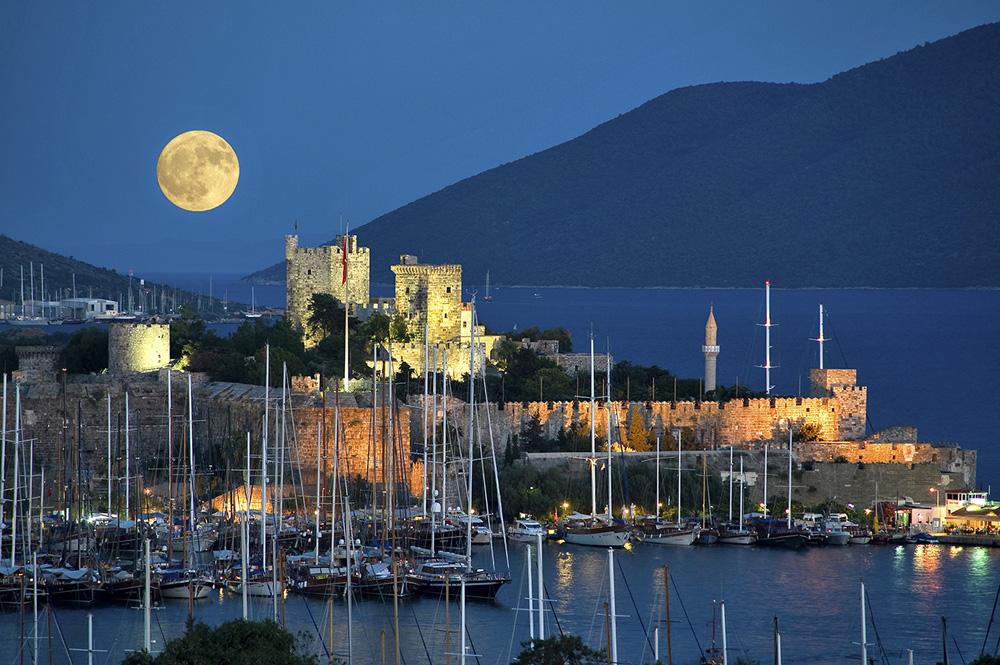
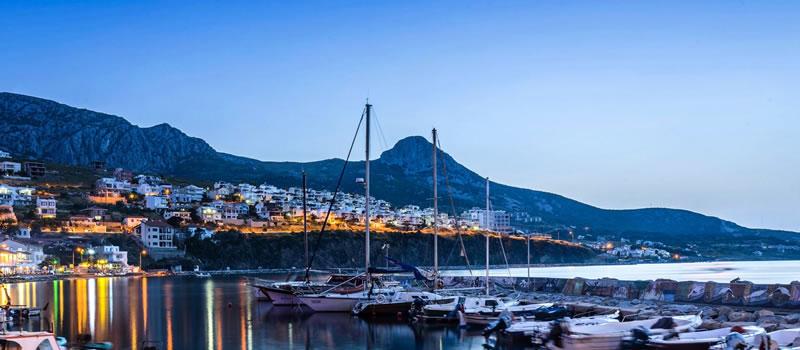
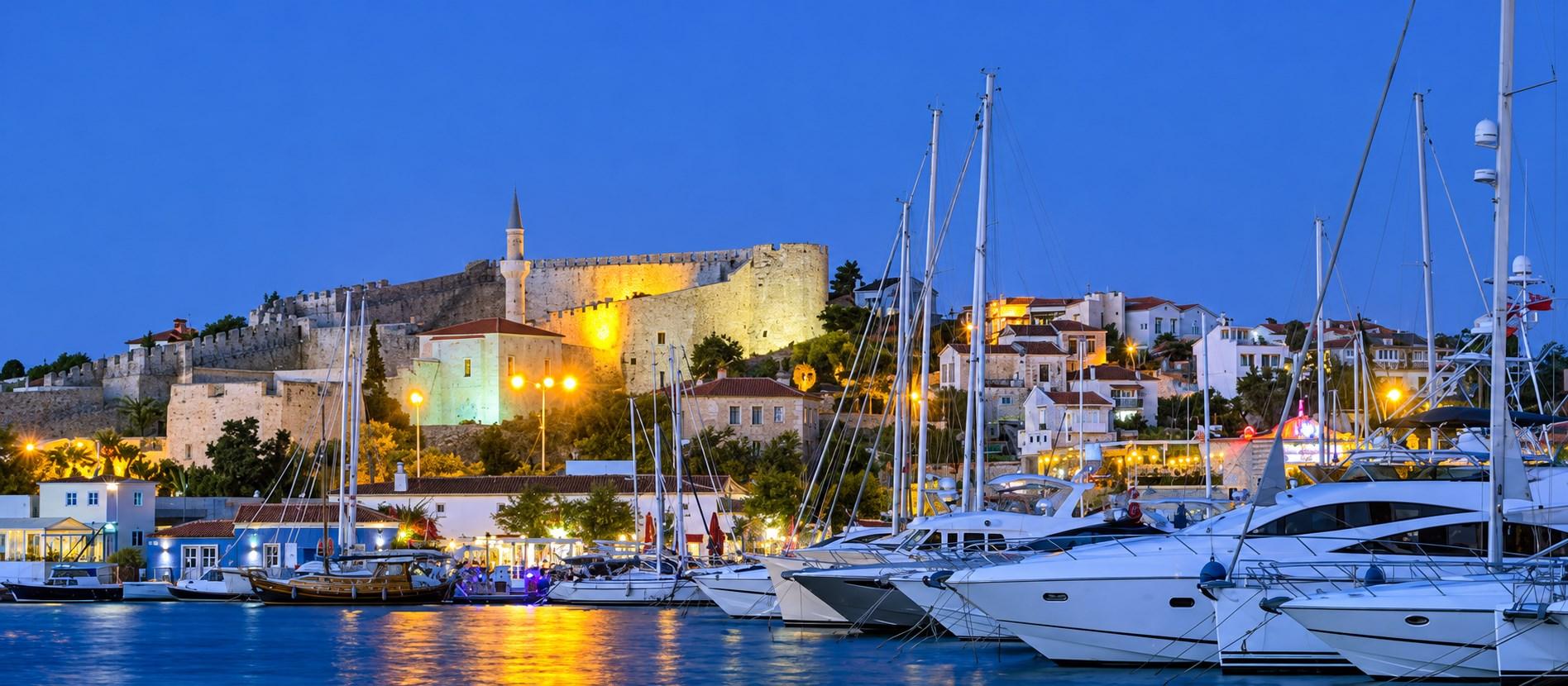
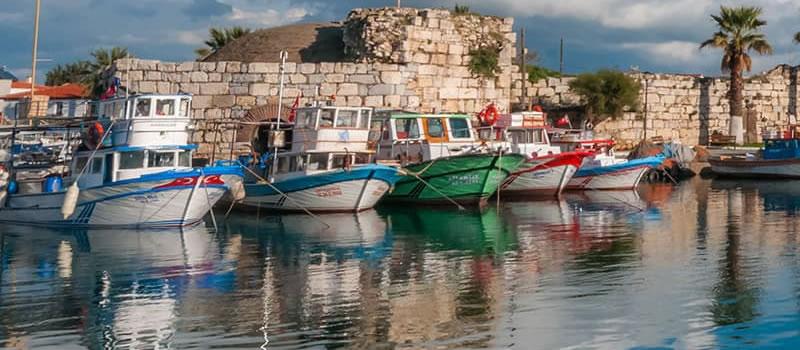
From Halicarnassus to Bodrum A Port Town’s HistoryFrom Bodrum Harbour, the shape of the coast helps explain why ancient Halicarnassus grew here. The rock beneath the castle stands between two harbours. Behind it rises Göktepe hill, where the ancient inhabitants could look down over the town and the water. Keeping the headland and the hillside in view makes it easier to picture the ancient city among the streets of modern Bodrum.
Why did the harbours of Halicarnassus matter to Caria?

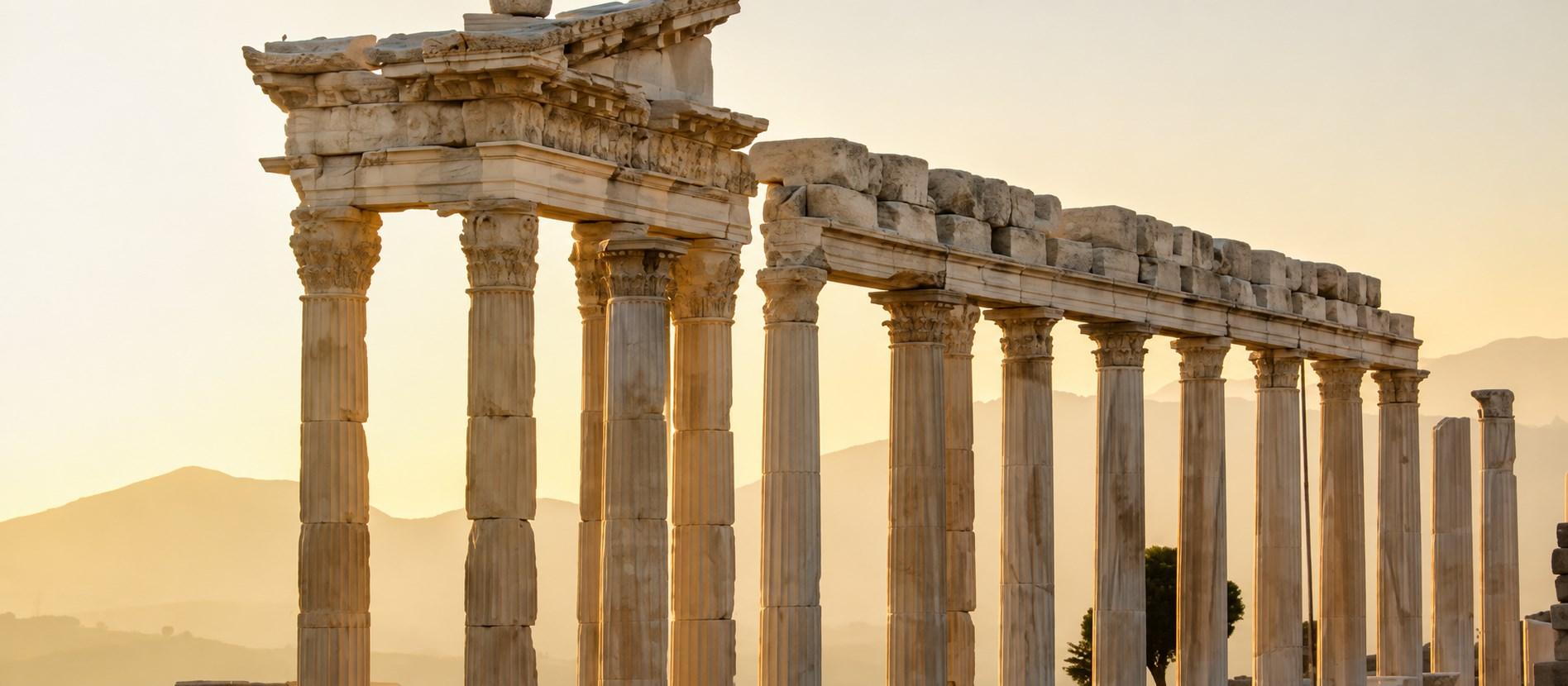
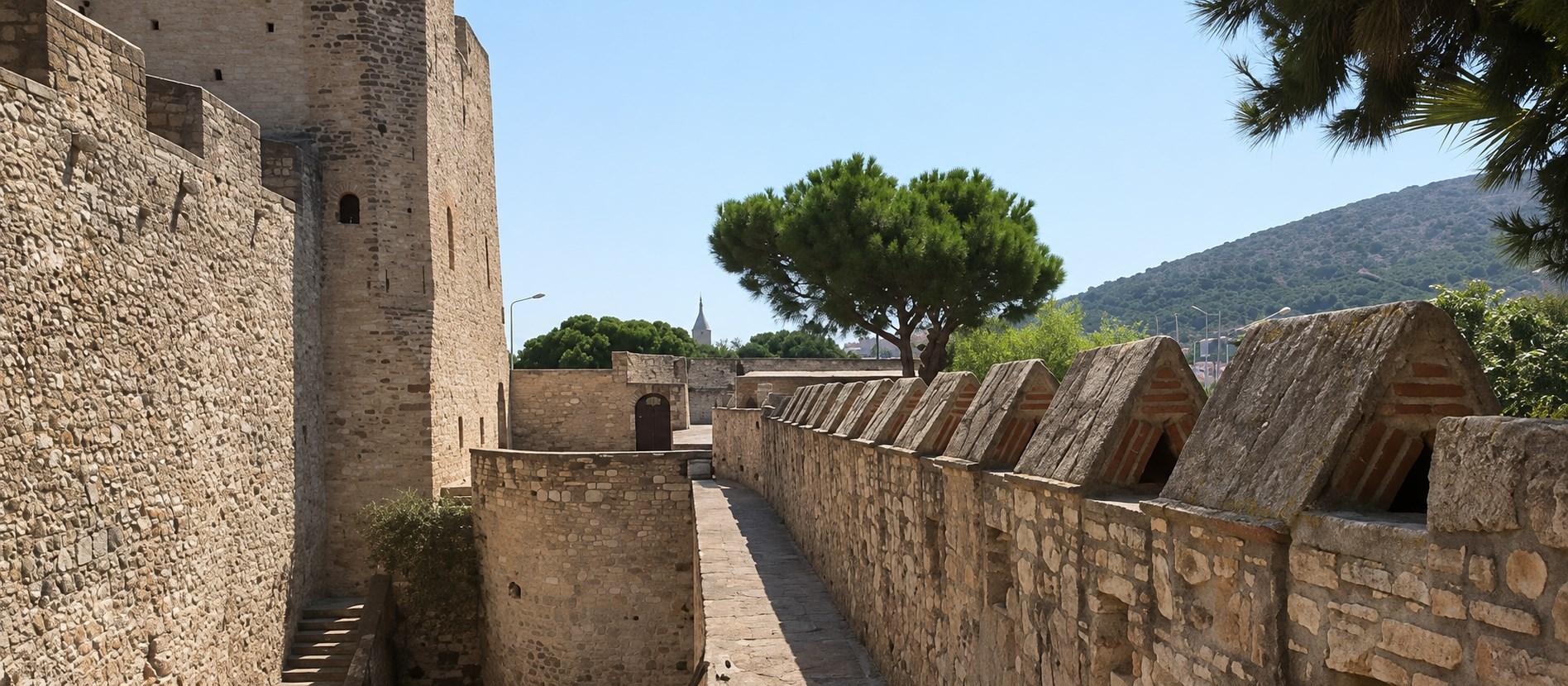
In antiquity, Bodrum and nearby Milas belonged to Caria, a region inhabited by Carians and Lelegians. Its ruler Mausolus moved his capital from inland Mylasa, now Milas, to Halicarnassus on the coast. The harbours gave the new capital access to maritime trade, while the rocky headland helped protect it. The tomb built for Mausolus is the city’s best-known ancient monument, but the move to the coast also helps explain the scale of the theatre and the city walls. Bodrum Castle, the most prominent landmark on the waterfront today, was built centuries later. Look at its walls and the two periods meet: the knights who built the castle reused stone from the Mausoleum. Pieces of a ruler’s tomb thus survived as part of a harbour fortress.

Where can you see traces of the ancient port town today?

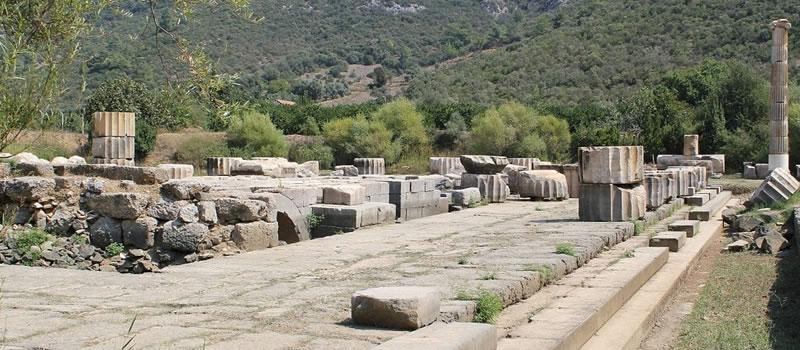
The ancient theatre sits on the southern slope of Göktepe. Looking towards the harbour from the seating area gives a sense of how far the city extended uphill. On the western side of town, the Myndos Gate tells the story from the standpoint of someone arriving overland. The passage between its two towers shows how the entrance fitted into the defences. Each stop offers a different detail to look for: the rock dividing the two bays at the harbour, the line of sight from the theatre seats to the sea, and the approach between the gate towers. Together they help you trace the extent of Halicarnassus within modern Bodrum.